Buy picfront.us ?
We are moving the project
picfront.us .
Are you interested in purchasing the domain
picfront.us ?
domain@kv-gmbh.de · 0541-91531010
Buy picfront.us ?
Which camera lens is suitable for street photography?
A prime lens with a focal length between 35mm and 50mm is typically considered suitable for street photography. These lenses offer a natural field of view that closely resembles what the human eye sees, making them great for capturing candid moments in urban environments. Additionally, prime lenses are often compact and lightweight, which is ideal for street photographers who need to move quickly and discreetly. Overall, a 35mm or 50mm prime lens is a popular choice among street photographers for its versatility and ability to capture authentic moments. **
Which camera lens is suitable for product photography?
A macro lens is typically the best choice for product photography. Macro lenses are designed to capture small subjects with great detail and clarity, making them ideal for capturing the intricate details of products. They also have a close focusing distance, allowing you to get up close to the product for detailed shots. Additionally, a lens with a focal length between 50mm and 100mm is recommended for product photography as it provides a natural perspective and minimizes distortion. **

Similar search terms for Breeding
Top-Angebote
Products related to Breeding:
-
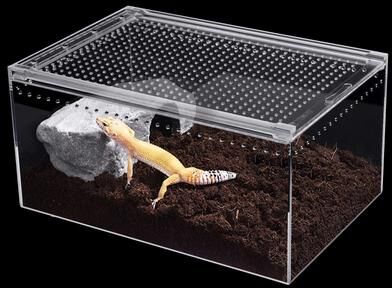
Uplift Treasures Reptile Breeding Box Habitat For Lizards Geckos And Insects Reptile Breeding Box Habitat For Lizards Geckos And InsectsProduct Description:Create a practical enclosed habitat for small reptiles and invertebrates with this versatile breeding box. Suitable for geckos, lizards, tarantulas, insects, and other small pets, it provides a convenient space for housing,...43,97 $*Shipping: 0,00 $Secure redirect to the provider
-
Uplift Essentials Aquarium Corner Hideaway Tunnel & Breeding Shelter brownProvide a safe haven for shy fish and breeding shrimp with this aquarium corner hideaway tunnel shelter. Designed with a precise rightangle back, this aquatic cave fits flush against glass corners to maximize swimming area while turning unused...62,97 $*Shipping: 0,00 $Secure redirect to the provider
-
Uplift Picks 16 Grid Reptile Egg Incubator Tray For Lizard And Snake Breeding 16 Grid Reptile Egg Incubator Tray For Lizard And Snake BreedingGive reptile eggs a more organized place during the hatching process. This reptile egg incubator tray features 16 separate grids to help keep eggs positioned and spaced inside a compatible incubator or breeding setup. The plastic design is...57,98 $*Shipping: 0,00 $Secure redirect to the provider
-
Uplift Essentials Floating Aquarium Fish Breeding And Isolation Box blueProtect vulnerable newborn fry and safely isolate injured or aggressive fish with this multifunctional fish breeding box. Designed with hightransmittance, crystalclear acrylic walls, this floating nursery chamber lets you monitor pregnant...47,97 $*Shipping: 0,00 $Secure redirect to the provider


-
Is breeding pugs actually considered breeding for suffering?
Breeding pugs is often considered breeding for suffering due to the health issues commonly associated with the breed. Pugs are prone to respiratory problems, eye issues, and joint problems, all of which can lead to a lower quality of life for the dog. The physical characteristics that make pugs popular, such as their flat faces and wrinkled skin, can contribute to these health issues. Responsible breeding practices that prioritize the health and well-being of the dogs can help mitigate these concerns. **
-
Which camera and lens are suitable for animal photography?
For animal photography, a camera with a fast autofocus system and high burst rate is essential to capture fast-moving subjects. A good choice would be a DSLR or mirrorless camera with at least 20 megapixels for high-quality images. As for the lens, a telephoto lens with a focal length of 70-200mm or longer is recommended to get close-up shots of animals without disturbing them. Additionally, a lens with image stabilization can help reduce camera shake when shooting handheld in low light conditions. **
-
Which camera and lens are suitable for wildlife photography?
For wildlife photography, a camera with a fast continuous shooting speed, high resolution, and good low-light performance is ideal. Cameras like the Canon EOS 90D, Nikon D500, or Sony Alpha a6600 are popular choices. When it comes to lenses, a telephoto lens with a focal length of at least 300mm is recommended to capture distant wildlife without disturbing them. Lenses like the Canon EF 100-400mm f/4.5-5.6L IS II, Nikon AF-S NIKKOR 200-500mm f/5.6E ED VR, or Sony FE 200-600mm f/5.6-6.3 G OSS are great options for wildlife photography. **
-
What is the difference between breeding and hobby breeding?
Breeding refers to the intentional mating of animals to produce offspring with specific traits or characteristics, often for commercial purposes such as selling the offspring. Hobby breeding, on the other hand, is done by individuals who have a passion for a particular breed or species and breed animals as a hobby rather than for profit. Hobby breeders typically have a smaller scale operation and prioritize the health and well-being of the animals over maximizing profits. **


Which breeding mark?
The breeding mark is a unique identifier given to animals that have been bred for specific traits or characteristics. This mark helps breeders keep track of the lineage and genetic information of the animals, ensuring that desirable traits are passed down to future generations. By using breeding marks, breeders can make informed decisions about which animals to pair together in order to achieve their desired breeding goals. **
What is the difference between hobby breeding and commercial breeding?
Hobby breeding is typically done on a small scale by individuals who have a passion for a particular breed or species of animal. The primary goal of hobby breeding is to improve the breed, maintain its standards, and produce healthy and well-socialized animals. On the other hand, commercial breeding is done on a larger scale with the primary goal of making a profit. Commercial breeders often prioritize quantity over quality, leading to potential issues such as overcrowding, poor living conditions, and lack of proper socialization for the animals. **
Top-Angebote
Products related to Breeding:
-
Uplift Picks Handwoven Straw Hanging Bird Nest And Breeding Hut Handwoven Straw Hanging Bird Nest And Breeding HutCreate a cozy retreat where small birds can rest, hide, or nest in comfort. This hanging bird nest is handwoven from natural straw for a breathable, natureinspired shelter. Its enclosed hut shape offers privacy, while the wide entrance allows birds...61,00 $*Shipping: 0,00 $Secure redirect to the provider
-
Multicon Wholesale Hub Gallon Acrylic Reptile Breeding Box Magnetic Terrarium Enclosure Gallon Acrylic Reptile Breeding Box Magnetic Terrarium EnclosureGive your reptiles a safe, clear, and stressfree habitat designed for visibility and comfort. This acrylic reptile enclosure is crafted for hobbyists and breeders who need a compact yet secure environment for small reptiles. Featuring a sleek,...109,97 $*Shipping: 0,00 $Secure redirect to the provider
-
Uplift Treasures Reptile Breeding Box Habitat For Lizards Geckos And Insects Reptile Breeding Box Habitat For Lizards Geckos And InsectsProduct Description:Create a practical enclosed habitat for small reptiles and invertebrates with this versatile breeding box. Suitable for geckos, lizards, tarantulas, insects, and other small pets, it provides a convenient space for housing,...43,97 $*Shipping: 0,00 $Secure redirect to the provider
-
Uplift Essentials Aquarium Corner Hideaway Tunnel & Breeding Shelter brownProvide a safe haven for shy fish and breeding shrimp with this aquarium corner hideaway tunnel shelter. Designed with a precise rightangle back, this aquatic cave fits flush against glass corners to maximize swimming area while turning unused...62,97 $*Shipping: 0,00 $Secure redirect to the provider
-
Which camera lens is suitable for street photography?
A prime lens with a focal length between 35mm and 50mm is typically considered suitable for street photography. These lenses offer a natural field of view that closely resembles what the human eye sees, making them great for capturing candid moments in urban environments. Additionally, prime lenses are often compact and lightweight, which is ideal for street photographers who need to move quickly and discreetly. Overall, a 35mm or 50mm prime lens is a popular choice among street photographers for its versatility and ability to capture authentic moments. **
-
Which camera lens is suitable for product photography?
A macro lens is typically the best choice for product photography. Macro lenses are designed to capture small subjects with great detail and clarity, making them ideal for capturing the intricate details of products. They also have a close focusing distance, allowing you to get up close to the product for detailed shots. Additionally, a lens with a focal length between 50mm and 100mm is recommended for product photography as it provides a natural perspective and minimizes distortion. **
-
Is breeding pugs actually considered breeding for suffering?
Breeding pugs is often considered breeding for suffering due to the health issues commonly associated with the breed. Pugs are prone to respiratory problems, eye issues, and joint problems, all of which can lead to a lower quality of life for the dog. The physical characteristics that make pugs popular, such as their flat faces and wrinkled skin, can contribute to these health issues. Responsible breeding practices that prioritize the health and well-being of the dogs can help mitigate these concerns. **
-
Which camera and lens are suitable for animal photography?
For animal photography, a camera with a fast autofocus system and high burst rate is essential to capture fast-moving subjects. A good choice would be a DSLR or mirrorless camera with at least 20 megapixels for high-quality images. As for the lens, a telephoto lens with a focal length of 70-200mm or longer is recommended to get close-up shots of animals without disturbing them. Additionally, a lens with image stabilization can help reduce camera shake when shooting handheld in low light conditions. **
Similar search terms for Breeding
-
Uplift Picks 16 Grid Reptile Egg Incubator Tray For Lizard And Snake Breeding 16 Grid Reptile Egg Incubator Tray For Lizard And Snake BreedingGive reptile eggs a more organized place during the hatching process. This reptile egg incubator tray features 16 separate grids to help keep eggs positioned and spaced inside a compatible incubator or breeding setup. The plastic design is...57,98 $*Shipping: 0,00 $Secure redirect to the provider
-
Uplift Essentials Floating Aquarium Fish Breeding And Isolation Box blueProtect vulnerable newborn fry and safely isolate injured or aggressive fish with this multifunctional fish breeding box. Designed with hightransmittance, crystalclear acrylic walls, this floating nursery chamber lets you monitor pregnant...47,97 $*Shipping: 0,00 $Secure redirect to the provider
-
Uplift Essentials Aquarium Corner Hideaway Tunnel & Breeding Shelter yellowProvide a safe haven for shy fish and breeding shrimp with this aquarium corner hideaway tunnel shelter. Designed with a precise rightangle back, this aquatic cave fits flush against glass corners to maximize swimming area while turning unused...62,97 $*Shipping: 0,00 $Secure redirect to the provider
-
Which camera and lens are suitable for wildlife photography?
For wildlife photography, a camera with a fast continuous shooting speed, high resolution, and good low-light performance is ideal. Cameras like the Canon EOS 90D, Nikon D500, or Sony Alpha a6600 are popular choices. When it comes to lenses, a telephoto lens with a focal length of at least 300mm is recommended to capture distant wildlife without disturbing them. Lenses like the Canon EF 100-400mm f/4.5-5.6L IS II, Nikon AF-S NIKKOR 200-500mm f/5.6E ED VR, or Sony FE 200-600mm f/5.6-6.3 G OSS are great options for wildlife photography. **
-
What is the difference between breeding and hobby breeding?
Breeding refers to the intentional mating of animals to produce offspring with specific traits or characteristics, often for commercial purposes such as selling the offspring. Hobby breeding, on the other hand, is done by individuals who have a passion for a particular breed or species and breed animals as a hobby rather than for profit. Hobby breeders typically have a smaller scale operation and prioritize the health and well-being of the animals over maximizing profits. **
-
Which breeding mark?
The breeding mark is a unique identifier given to animals that have been bred for specific traits or characteristics. This mark helps breeders keep track of the lineage and genetic information of the animals, ensuring that desirable traits are passed down to future generations. By using breeding marks, breeders can make informed decisions about which animals to pair together in order to achieve their desired breeding goals. **
-
What is the difference between hobby breeding and commercial breeding?
Hobby breeding is typically done on a small scale by individuals who have a passion for a particular breed or species of animal. The primary goal of hobby breeding is to improve the breed, maintain its standards, and produce healthy and well-socialized animals. On the other hand, commercial breeding is done on a larger scale with the primary goal of making a profit. Commercial breeders often prioritize quantity over quality, leading to potential issues such as overcrowding, poor living conditions, and lack of proper socialization for the animals. **
* All prices are inclusive of VAT and, if applicable, plus shipping costs. The offer information is based on the details provided by the respective shop and is updated through automated processes. Real-time updates do not occur, so deviations can occur in individual cases. ** Note: Parts of this content were created by AI.