Buy picfront.us ?
We are moving the project
picfront.us .
Are you interested in purchasing the domain
picfront.us ?
domain@kv-gmbh.de · 0541-91531010
Buy picfront.us ?
Which camera lens is suitable for street photography?
A prime lens with a focal length between 35mm and 50mm is typically considered suitable for street photography. These lenses offer a natural field of view that closely resembles what the human eye sees, making them great for capturing candid moments in urban environments. Additionally, prime lenses are often compact and lightweight, which is ideal for street photographers who need to move quickly and discreetly. Overall, a 35mm or 50mm prime lens is a popular choice among street photographers for its versatility and ability to capture authentic moments. **
Which camera lens is suitable for product photography?
A macro lens is typically the best choice for product photography. Macro lenses are designed to capture small subjects with great detail and clarity, making them ideal for capturing the intricate details of products. They also have a close focusing distance, allowing you to get up close to the product for detailed shots. Additionally, a lens with a focal length between 50mm and 100mm is recommended for product photography as it provides a natural perspective and minimizes distortion. **


Similar search terms for KAWE-10037-Pilot-bearing
Top-Angebote
Products related to KAWE-10037-Pilot-bearing:


-
How can one cut a bearing, if one has a two-way bearing without bearing force?
If one has a two-way bearing without bearing force, it can be cut by using a cutting tool such as a saw or a grinder. The cutting tool should be used to carefully cut through the outer ring of the bearing, being cautious not to damage the inner components. It is important to wear protective gear and work in a well-ventilated area when cutting a bearing to ensure safety. Additionally, it may be helpful to seek guidance from a professional or refer to the manufacturer's instructions for specific guidance on cutting the particular type of bearing. **
-
Is it a load-bearing or non-load-bearing wall?
Without further information or context, it is impossible to determine if the wall in question is load-bearing or non-load-bearing. Load-bearing walls are designed to support the weight of a structure, while non-load-bearing walls are primarily used for dividing spaces and do not support structural weight. It is important to consult a structural engineer or building professional to assess the specific characteristics of the wall in question to determine its load-bearing capacity. **
-
How do you reinstall a hub bearing or ball bearing?
To reinstall a hub bearing or ball bearing, you will need to first clean the bearing housing and apply a thin layer of grease to the inside of the housing. Next, carefully place the bearing back into the housing, making sure it is properly aligned. Use a bearing press or a socket and hammer to gently tap the bearing into place until it is fully seated. Finally, reassemble the rest of the components in the correct order and torque the axle nut to the manufacturer's specifications. **
-
Which camera and lens are suitable for animal photography?
For animal photography, a camera with a fast autofocus system and high burst rate is essential to capture fast-moving subjects. A good choice would be a DSLR or mirrorless camera with at least 20 megapixels for high-quality images. As for the lens, a telephoto lens with a focal length of 70-200mm or longer is recommended to get close-up shots of animals without disturbing them. Additionally, a lens with image stabilization can help reduce camera shake when shooting handheld in low light conditions. **


Which camera and lens are suitable for wildlife photography?
For wildlife photography, a camera with a fast continuous shooting speed, high resolution, and good low-light performance is ideal. Cameras like the Canon EOS 90D, Nikon D500, or Sony Alpha a6600 are popular choices. When it comes to lenses, a telephoto lens with a focal length of at least 300mm is recommended to capture distant wildlife without disturbing them. Lenses like the Canon EF 100-400mm f/4.5-5.6L IS II, Nikon AF-S NIKKOR 200-500mm f/5.6E ED VR, or Sony FE 200-600mm f/5.6-6.3 G OSS are great options for wildlife photography. **
What is a bearing?
A bearing is a mechanical component that allows for smooth rotation or movement between two parts. It is typically a round metal component that reduces friction and helps support the load of the rotating or moving parts. Bearings are commonly used in various machines and equipment, such as vehicles, industrial machinery, and household appliances, to facilitate smooth and efficient operation. **
Top-Angebote
Products related to KAWE-10037-Pilot-bearing:
-
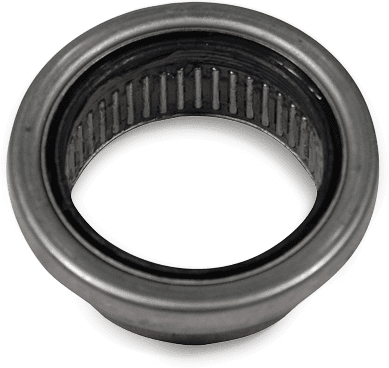
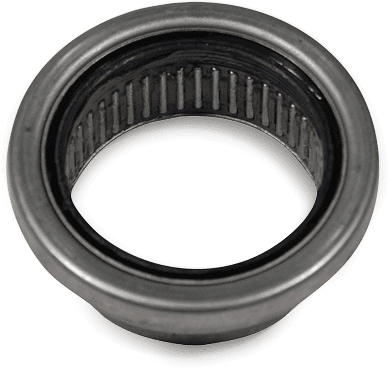
KAWE 10037 Pilot bearing, clutchParameter: LL; Outer Diameter 1 [mm]: 24; Width [mm]: 16; Inner Diameter [mm]: 18; Construction Year to: 12/1987, 07/1989, 07/1986; Construction Year from: 01/1988, 01/1985; Engine Number to: 049108, 001281, 002861; Vehicle Identification Number (VIN) to: K#150000; TecDoc Engine Number: 331, 937514,99 £*Shipping: 8,45 £Secure redirect to the provider
-
Which camera lens is suitable for street photography?
A prime lens with a focal length between 35mm and 50mm is typically considered suitable for street photography. These lenses offer a natural field of view that closely resembles what the human eye sees, making them great for capturing candid moments in urban environments. Additionally, prime lenses are often compact and lightweight, which is ideal for street photographers who need to move quickly and discreetly. Overall, a 35mm or 50mm prime lens is a popular choice among street photographers for its versatility and ability to capture authentic moments. **
-
Which camera lens is suitable for product photography?
A macro lens is typically the best choice for product photography. Macro lenses are designed to capture small subjects with great detail and clarity, making them ideal for capturing the intricate details of products. They also have a close focusing distance, allowing you to get up close to the product for detailed shots. Additionally, a lens with a focal length between 50mm and 100mm is recommended for product photography as it provides a natural perspective and minimizes distortion. **
-
How can one cut a bearing, if one has a two-way bearing without bearing force?
If one has a two-way bearing without bearing force, it can be cut by using a cutting tool such as a saw or a grinder. The cutting tool should be used to carefully cut through the outer ring of the bearing, being cautious not to damage the inner components. It is important to wear protective gear and work in a well-ventilated area when cutting a bearing to ensure safety. Additionally, it may be helpful to seek guidance from a professional or refer to the manufacturer's instructions for specific guidance on cutting the particular type of bearing. **
-
Is it a load-bearing or non-load-bearing wall?
Without further information or context, it is impossible to determine if the wall in question is load-bearing or non-load-bearing. Load-bearing walls are designed to support the weight of a structure, while non-load-bearing walls are primarily used for dividing spaces and do not support structural weight. It is important to consult a structural engineer or building professional to assess the specific characteristics of the wall in question to determine its load-bearing capacity. **
Similar search terms for KAWE-10037-Pilot-bearing
-
How do you reinstall a hub bearing or ball bearing?
To reinstall a hub bearing or ball bearing, you will need to first clean the bearing housing and apply a thin layer of grease to the inside of the housing. Next, carefully place the bearing back into the housing, making sure it is properly aligned. Use a bearing press or a socket and hammer to gently tap the bearing into place until it is fully seated. Finally, reassemble the rest of the components in the correct order and torque the axle nut to the manufacturer's specifications. **
-
Which camera and lens are suitable for animal photography?
For animal photography, a camera with a fast autofocus system and high burst rate is essential to capture fast-moving subjects. A good choice would be a DSLR or mirrorless camera with at least 20 megapixels for high-quality images. As for the lens, a telephoto lens with a focal length of 70-200mm or longer is recommended to get close-up shots of animals without disturbing them. Additionally, a lens with image stabilization can help reduce camera shake when shooting handheld in low light conditions. **
-
Which camera and lens are suitable for wildlife photography?
For wildlife photography, a camera with a fast continuous shooting speed, high resolution, and good low-light performance is ideal. Cameras like the Canon EOS 90D, Nikon D500, or Sony Alpha a6600 are popular choices. When it comes to lenses, a telephoto lens with a focal length of at least 300mm is recommended to capture distant wildlife without disturbing them. Lenses like the Canon EF 100-400mm f/4.5-5.6L IS II, Nikon AF-S NIKKOR 200-500mm f/5.6E ED VR, or Sony FE 200-600mm f/5.6-6.3 G OSS are great options for wildlife photography. **
-
What is a bearing?
A bearing is a mechanical component that allows for smooth rotation or movement between two parts. It is typically a round metal component that reduces friction and helps support the load of the rotating or moving parts. Bearings are commonly used in various machines and equipment, such as vehicles, industrial machinery, and household appliances, to facilitate smooth and efficient operation. **
* All prices are inclusive of VAT and, if applicable, plus shipping costs. The offer information is based on the details provided by the respective shop and is updated through automated processes. Real-time updates do not occur, so deviations can occur in individual cases. ** Note: Parts of this content were created by AI.