Buy picfront.us ?
We are moving the project
picfront.us .
Are you interested in purchasing the domain
picfront.us ?
domain@kv-gmbh.de · 0541-91531010
Buy picfront.us ?
What are raw materials, auxiliary materials, or operating materials?
Raw materials are the basic materials used in the production of goods. They are typically natural resources such as wood, metal, or agricultural products. Auxiliary materials are used to support the production process, such as lubricants, cleaning agents, or packaging materials. Operating materials are the supplies and tools used in the day-to-day operations of a business, such as office supplies, maintenance tools, or safety equipment. These materials are essential for the production and operation of goods and services. **
Which camera lens is suitable for street photography?
A prime lens with a focal length between 35mm and 50mm is typically considered suitable for street photography. These lenses offer a natural field of view that closely resembles what the human eye sees, making them great for capturing candid moments in urban environments. Additionally, prime lenses are often compact and lightweight, which is ideal for street photographers who need to move quickly and discreetly. Overall, a 35mm or 50mm prime lens is a popular choice among street photographers for its versatility and ability to capture authentic moments. **


Similar search terms for Materials
Top-Angebote
Products related to Materials:
-
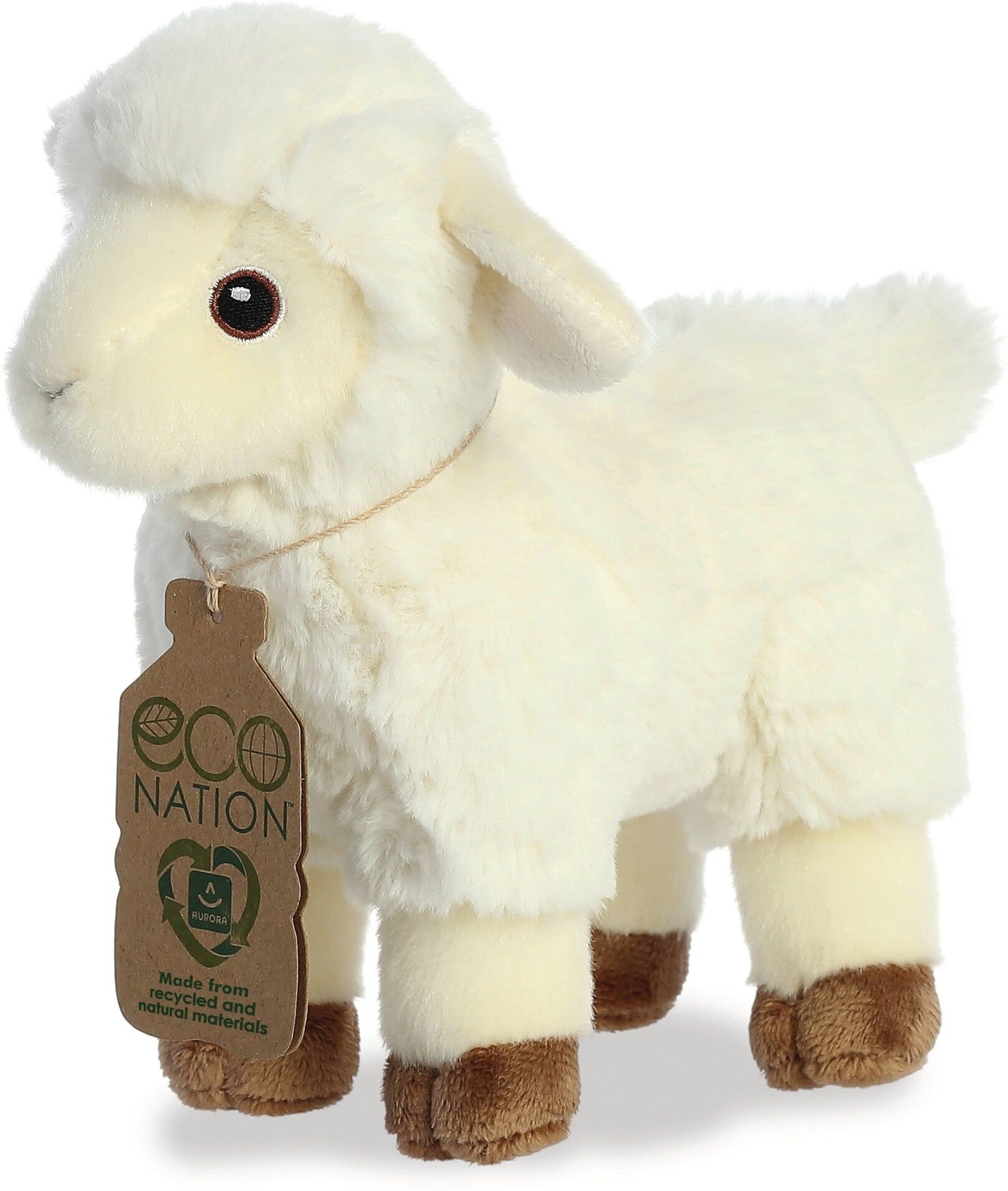
Aurora Eco Nation 8" Plush Lamb - Eco-Friendly Materials - 20cm - KidsCrafted with care, this lovable lamb is made from recycled plastics and natural materials, embodying our commitment to a sustainable future. Key Features: Eco-Friendly Materials: The plush exterior and fibre fill are crafted from recycled plastics, reducing plastic waste. Embroidered Eyes: Charming embroidered eyes combine safety and eco-consciousness. No plastic beans are used, making it even more environmentally friendly. Generous Size: Measuring 20cm, it's perfect for hugs and companionship. Lovable Lamb Design: The adorable lamb design appeals to all ages.13,79 £*Shipping: 3,95 £Secure redirect to the provider
-
Inspired Finds FocusShot DSLR Lens Coffee Cup Realistic Camera Mug For Photo Lovers black 301 400mlEnjoy your favorite drink in a fun, eyecatching camera lens mug that looks just like a real DSLR zoom lens. Designed for photographers, creators, and coffee lovers, this camera coffee mug brings a playful twist to your daily routine at home, in the...34,99 $*Shipping: 0,00 $Secure redirect to the provider


-
Which camera lens is suitable for product photography?
A macro lens is typically the best choice for product photography. Macro lenses are designed to capture small subjects with great detail and clarity, making them ideal for capturing the intricate details of products. They also have a close focusing distance, allowing you to get up close to the product for detailed shots. Additionally, a lens with a focal length between 50mm and 100mm is recommended for product photography as it provides a natural perspective and minimizes distortion. **
-
How can a thermal imaging camera penetrate materials?
A thermal imaging camera can penetrate materials because it detects the infrared radiation emitted by objects and materials. This radiation is produced by the heat energy that all objects and materials emit as a result of their temperature. The camera's sensors can detect this radiation and convert it into a visual image, allowing the camera to "see" through materials and capture the heat signatures of objects behind them. This makes thermal imaging cameras useful for various applications, such as detecting heat leaks in buildings, locating hot spots in electrical systems, and even identifying objects in low visibility conditions. **
-
What is the difference between building materials, operating materials, and auxiliary materials?
Building materials are used in the construction of a structure, such as bricks, concrete, and steel. Operating materials are items used in the day-to-day operations of a building, like cleaning supplies, office supplies, and maintenance tools. Auxiliary materials are additional items that support the functioning of a building, such as lighting fixtures, plumbing fixtures, and HVAC systems. Each type of material serves a specific purpose in the construction and maintenance of a building. **
-
What is the difference between raw materials, operating materials, and auxiliary materials?
Raw materials are the basic materials used in the production of goods, such as wood, metal, or oil. Operating materials are the materials used in the day-to-day operations of a business, such as office supplies, cleaning supplies, or packaging materials. Auxiliary materials are materials that support the production process but are not directly used in the final product, such as lubricants, solvents, or maintenance supplies. Each type of material plays a different role in the production and operation of a business. **

What is the difference between building materials, operating materials, and supplementary materials?
Building materials are used in the construction of a structure, such as wood, concrete, steel, and bricks. Operating materials are items used to maintain and operate a building, like cleaning supplies, light bulbs, and HVAC filters. Supplementary materials are additional items that may not be essential for the structure but can enhance its functionality or aesthetics, such as decorative finishes, landscaping materials, or furniture. **
Can someone explain the terms reserve materials, building materials, and operating materials?
Reserve materials are items kept in stock for future use, typically for emergencies or unexpected situations. Building materials are used in the construction or renovation of structures, such as wood, concrete, and steel. Operating materials are supplies necessary for the day-to-day functioning of a business or organization, like office supplies, cleaning products, and maintenance tools. Each term refers to specific types of materials needed for different purposes within a given context. **
Top-Angebote
Products related to Materials:
-
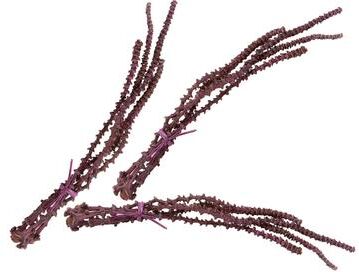
Elk Home Sceptre Black Natural Materials Ornamental AccessoryELK Home offer depth and breadth across a myriad of home furnishing categories with design styles ranging from updated traditional to soft modern. www.elkhome.com. A division of ELK Group International39,50 $*Shipping: 0,00 $Secure redirect to the provider
-
What are raw materials, auxiliary materials, or operating materials?
Raw materials are the basic materials used in the production of goods. They are typically natural resources such as wood, metal, or agricultural products. Auxiliary materials are used to support the production process, such as lubricants, cleaning agents, or packaging materials. Operating materials are the supplies and tools used in the day-to-day operations of a business, such as office supplies, maintenance tools, or safety equipment. These materials are essential for the production and operation of goods and services. **
-
Which camera lens is suitable for street photography?
A prime lens with a focal length between 35mm and 50mm is typically considered suitable for street photography. These lenses offer a natural field of view that closely resembles what the human eye sees, making them great for capturing candid moments in urban environments. Additionally, prime lenses are often compact and lightweight, which is ideal for street photographers who need to move quickly and discreetly. Overall, a 35mm or 50mm prime lens is a popular choice among street photographers for its versatility and ability to capture authentic moments. **
-
Which camera lens is suitable for product photography?
A macro lens is typically the best choice for product photography. Macro lenses are designed to capture small subjects with great detail and clarity, making them ideal for capturing the intricate details of products. They also have a close focusing distance, allowing you to get up close to the product for detailed shots. Additionally, a lens with a focal length between 50mm and 100mm is recommended for product photography as it provides a natural perspective and minimizes distortion. **
-
How can a thermal imaging camera penetrate materials?
A thermal imaging camera can penetrate materials because it detects the infrared radiation emitted by objects and materials. This radiation is produced by the heat energy that all objects and materials emit as a result of their temperature. The camera's sensors can detect this radiation and convert it into a visual image, allowing the camera to "see" through materials and capture the heat signatures of objects behind them. This makes thermal imaging cameras useful for various applications, such as detecting heat leaks in buildings, locating hot spots in electrical systems, and even identifying objects in low visibility conditions. **
Similar search terms for Materials
-
Aurora Eco Nation 8" Plush Lamb - Eco-Friendly Materials - 20cm - KidsCrafted with care, this lovable lamb is made from recycled plastics and natural materials, embodying our commitment to a sustainable future. Key Features: Eco-Friendly Materials: The plush exterior and fibre fill are crafted from recycled plastics, reducing plastic waste. Embroidered Eyes: Charming embroidered eyes combine safety and eco-consciousness. No plastic beans are used, making it even more environmentally friendly. Generous Size: Measuring 20cm, it's perfect for hugs and companionship. Lovable Lamb Design: The adorable lamb design appeals to all ages.13,79 £*Shipping: 3,95 £Secure redirect to the provider
-
Inspired Finds FocusShot DSLR Lens Coffee Cup Realistic Camera Mug For Photo Lovers black 301 400mlEnjoy your favorite drink in a fun, eyecatching camera lens mug that looks just like a real DSLR zoom lens. Designed for photographers, creators, and coffee lovers, this camera coffee mug brings a playful twist to your daily routine at home, in the...34,99 $*Shipping: 0,00 $Secure redirect to the provider
-
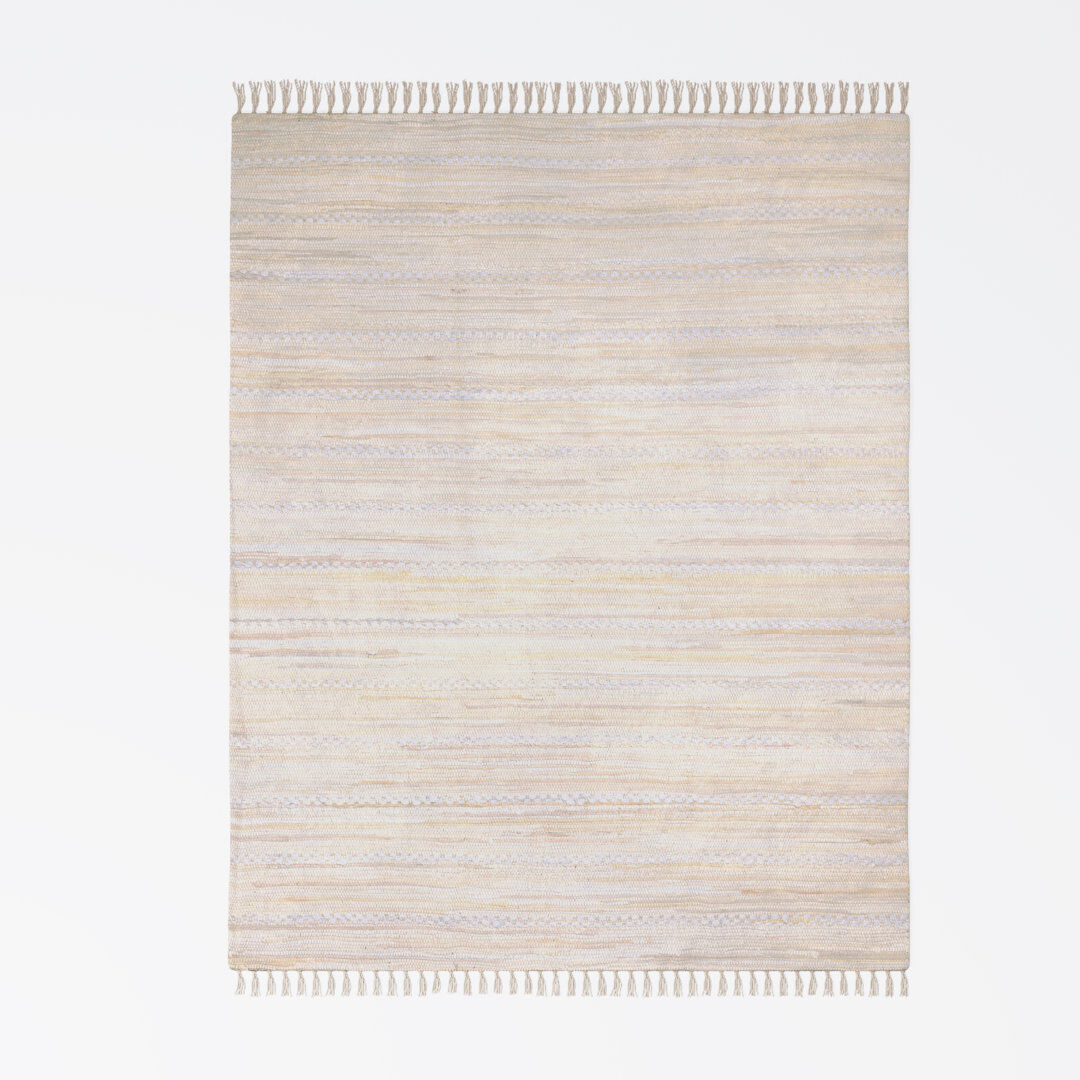
17 Stories Chindi Renova, recycled materials Rug Cream Rectangular 230 x 160cmThe Shady hand-woven chindi rug is a beautiful work of art made by experienced craftsmen. Each rug is unique and captivates with its vibrant colour spectrum and unique, hand -woven pattern. The rug has a robust texture and is suitable for everyday use. It is available in different sizes and can be used in different rooms, from living rooms and bedrooms to corridors and offices. The "Shady" chindi rug has a beautiful colour palette and gives any room a calm and relaxed feel. It fits perfectly with modern furnishing styles, but can also complement rustic or traditional decorations. The rug is easy to clean and can be maintained by simply vacuuming or beating. Experience the beauty and quality of the "Shady" hand-woven chindi rug and give your home a unique touch. Brand Name: 17 Stories. Rug Size: Rectangular 230 x 160cm, Colour: Cream106,99 £*Shipping: 0,00 £Secure redirect to the provider
-
17 Stories Chindi Renova, recycled materials Rug Blue Rectangular 160 x 230cmThe hand -woven chindi "Ashram" rug is a stylish and unique accessory for any room. Made from recycled cotton scraps woven into an elaborate pattern, this rug adds a touch of rustic charm to your home. The colours range from dark brown to various shades of blue and green to vibrant red tones. Each rug is unique due to its handmade character and can vary slightly in size and colour. The "Ashram" rug is not only beautiful to look at, but also hard -wearing and easy to clean. It is easy to clean, making it perfect for busy areas such as living rooms, corridors or offices. The Ashram Chindi rug is a timeless piece that adds warmth and cosiness to your home and is a sustainable choice for environmentally conscious buyers. Brand Name: 17 Stories. Colour: Blue, Rug Size: Rectangular 160 x 230cm113,99 £*Shipping: 0,00 £Secure redirect to the provider
-
What is the difference between building materials, operating materials, and auxiliary materials?
Building materials are used in the construction of a structure, such as bricks, concrete, and steel. Operating materials are items used in the day-to-day operations of a building, like cleaning supplies, office supplies, and maintenance tools. Auxiliary materials are additional items that support the functioning of a building, such as lighting fixtures, plumbing fixtures, and HVAC systems. Each type of material serves a specific purpose in the construction and maintenance of a building. **
-
What is the difference between raw materials, operating materials, and auxiliary materials?
Raw materials are the basic materials used in the production of goods, such as wood, metal, or oil. Operating materials are the materials used in the day-to-day operations of a business, such as office supplies, cleaning supplies, or packaging materials. Auxiliary materials are materials that support the production process but are not directly used in the final product, such as lubricants, solvents, or maintenance supplies. Each type of material plays a different role in the production and operation of a business. **
-
What is the difference between building materials, operating materials, and supplementary materials?
Building materials are used in the construction of a structure, such as wood, concrete, steel, and bricks. Operating materials are items used to maintain and operate a building, like cleaning supplies, light bulbs, and HVAC filters. Supplementary materials are additional items that may not be essential for the structure but can enhance its functionality or aesthetics, such as decorative finishes, landscaping materials, or furniture. **
-
Can someone explain the terms reserve materials, building materials, and operating materials?
Reserve materials are items kept in stock for future use, typically for emergencies or unexpected situations. Building materials are used in the construction or renovation of structures, such as wood, concrete, and steel. Operating materials are supplies necessary for the day-to-day functioning of a business or organization, like office supplies, cleaning products, and maintenance tools. Each term refers to specific types of materials needed for different purposes within a given context. **
* All prices are inclusive of VAT and, if applicable, plus shipping costs. The offer information is based on the details provided by the respective shop and is updated through automated processes. Real-time updates do not occur, so deviations can occur in individual cases. ** Note: Parts of this content were created by AI.