Buy picfront.us ?
We are moving the project
picfront.us .
Are you interested in purchasing the domain
picfront.us ?
domain@kv-gmbh.de · 0541-91531010
Buy picfront.us ?
Which camera lens is suitable for street photography?
A prime lens with a focal length between 35mm and 50mm is typically considered suitable for street photography. These lenses offer a natural field of view that closely resembles what the human eye sees, making them great for capturing candid moments in urban environments. Additionally, prime lenses are often compact and lightweight, which is ideal for street photographers who need to move quickly and discreetly. Overall, a 35mm or 50mm prime lens is a popular choice among street photographers for its versatility and ability to capture authentic moments. **
Which camera lens is suitable for product photography?
A macro lens is typically the best choice for product photography. Macro lenses are designed to capture small subjects with great detail and clarity, making them ideal for capturing the intricate details of products. They also have a close focusing distance, allowing you to get up close to the product for detailed shots. Additionally, a lens with a focal length between 50mm and 100mm is recommended for product photography as it provides a natural perspective and minimizes distortion. **
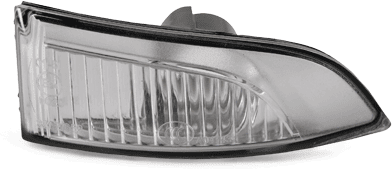
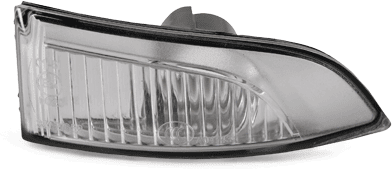
Similar search terms for PRASCO-CI0324113-Lens-indicator
Top-Angebote
Products related to PRASCO-CI0324113-Lens-indicator:
-
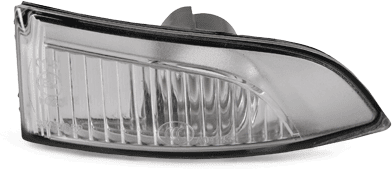
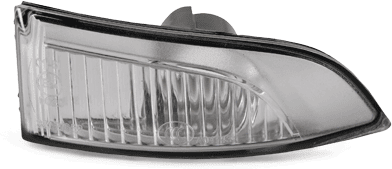
PRASCO CI9154114 Lens, indicatorPaired product: CI9154113; Model Year from: 1996; Model Year to: 2002; Fitting Position: Left Front; Colour: white; Indicator Colour: white; Supplementary Article / Supplementary Info: without bulb holder; Light Function: with outline marker light; Registration Type: ECE approved; Construction Year to: 10/2002, 12/2002, 11/20029,29 £*Shipping: 8,45 £Secure redirect to the provider
-
PRASCO BM0184114 Lens, indicatorPaired product: BM0184113; Model Year from: 1998; Model Year to: 2001; Fitting Position: Left Front; Colour: white; Indicator Colour: white; Supplementary Article / Supplementary Info: without bulb holder; Construction Year to: 08/2001, 12/200112,99 £*Shipping: 8,45 £Secure redirect to the provider
-
PRASCO DW3204104 Lens, indicatorPaired product: DW3204103; Model Year to: 2000; Fitting Position: Left Front; Colour: yellow; Indicator Colour: Orange; Supplementary Article / Supplementary Info: without bulb holder; Construction Year to: 12/20008,99 £*Shipping: 8,45 £Secure redirect to the provider


-
Which camera and lens are suitable for animal photography?
For animal photography, a camera with a fast autofocus system and high burst rate is essential to capture fast-moving subjects. A good choice would be a DSLR or mirrorless camera with at least 20 megapixels for high-quality images. As for the lens, a telephoto lens with a focal length of 70-200mm or longer is recommended to get close-up shots of animals without disturbing them. Additionally, a lens with image stabilization can help reduce camera shake when shooting handheld in low light conditions. **
-
Which camera and lens are suitable for wildlife photography?
For wildlife photography, a camera with a fast continuous shooting speed, high resolution, and good low-light performance is ideal. Cameras like the Canon EOS 90D, Nikon D500, or Sony Alpha a6600 are popular choices. When it comes to lenses, a telephoto lens with a focal length of at least 300mm is recommended to capture distant wildlife without disturbing them. Lenses like the Canon EF 100-400mm f/4.5-5.6L IS II, Nikon AF-S NIKKOR 200-500mm f/5.6E ED VR, or Sony FE 200-600mm f/5.6-6.3 G OSS are great options for wildlife photography. **
-
Which type of lens is better suited for wildlife photography: a prime lens or a zoom lens?
A zoom lens is generally better suited for wildlife photography because it offers versatility in framing the subject without having to physically move closer or further away. This is especially important when photographing unpredictable wildlife in their natural habitat. However, a prime lens can also be effective for wildlife photography, particularly for capturing specific details or in situations where a lighter and more compact lens is preferred. Ultimately, the choice between a prime lens and a zoom lens for wildlife photography depends on the specific needs and preferences of the photographer. **
-
What is the best camera and lens for wildlife photography?
The best camera for wildlife photography is typically a DSLR or mirrorless camera with a high resolution sensor, fast autofocus system, and good low-light performance. Popular choices include the Canon EOS 5D Mark IV, Nikon D850, or Sony A7R IV. For lenses, a telephoto lens with a focal length of at least 300mm is recommended for capturing wildlife from a distance. Some popular options include the Canon EF 100-400mm f/4.5-5.6L IS II, Nikon AF-S 200-500mm f/5.6E ED VR, or Sony FE 100-400mm f/4.5-5.6 GM OSS. Ultimately, the best camera and lens will depend on your budget, specific needs, and personal preferences. **
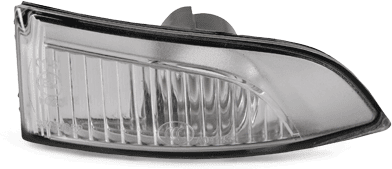

Which camera lens is it?
It is difficult to determine the specific camera lens without more information. Camera lenses come in a variety of focal lengths, apertures, and features, so it would be helpful to know more details such as the brand, model, and any specific characteristics of the lens in question. Without this information, it is challenging to accurately identify the specific camera lens. **
Does the lens fit my camera?
To determine if a lens fits your camera, you need to check the lens mount compatibility. Each camera brand has its own specific lens mount, so make sure the lens you are considering is compatible with your camera's mount. Additionally, consider factors such as the lens's focal length and aperture to ensure it meets your photography needs. If you are unsure, you can consult the camera's manual or contact the manufacturer for guidance. **
Top-Angebote
Products related to PRASCO-CI0324113-Lens-indicator:
-
PRASCO CI0324113 Lens, indicatorPaired product: CI0324114; Model Year from: 1991; Model Year to: 1998; Fitting Position: Right Front; Colour: white; Indicator Colour: white; Supplementary Article / Supplementary Info: with bulb holder; Registration Type: ECE approved10,49 £*Shipping: 8,45 £Secure redirect to the provider
-
PRASCO CI9154113 Lens, indicatorPaired product: CI9154114; Model Year from: 1996; Model Year to: 2002; Fitting Position: Right Front; Colour: white; Indicator Colour: white; Supplementary Article / Supplementary Info: without bulb holder; Light Function: with outline marker light; Registration Type: ECE approved; Construction Year to: 10/2002, 12/2002, 11/20029,29 £*Shipping: 8,45 £Secure redirect to the provider
-
PRASCO CI9154114 Lens, indicatorPaired product: CI9154113; Model Year from: 1996; Model Year to: 2002; Fitting Position: Left Front; Colour: white; Indicator Colour: white; Supplementary Article / Supplementary Info: without bulb holder; Light Function: with outline marker light; Registration Type: ECE approved; Construction Year to: 10/2002, 12/2002, 11/20029,29 £*Shipping: 8,45 £Secure redirect to the provider
-
PRASCO BM0184114 Lens, indicatorPaired product: BM0184113; Model Year from: 1998; Model Year to: 2001; Fitting Position: Left Front; Colour: white; Indicator Colour: white; Supplementary Article / Supplementary Info: without bulb holder; Construction Year to: 08/2001, 12/200112,99 £*Shipping: 8,45 £Secure redirect to the provider
-
Which camera lens is suitable for street photography?
A prime lens with a focal length between 35mm and 50mm is typically considered suitable for street photography. These lenses offer a natural field of view that closely resembles what the human eye sees, making them great for capturing candid moments in urban environments. Additionally, prime lenses are often compact and lightweight, which is ideal for street photographers who need to move quickly and discreetly. Overall, a 35mm or 50mm prime lens is a popular choice among street photographers for its versatility and ability to capture authentic moments. **
-
Which camera lens is suitable for product photography?
A macro lens is typically the best choice for product photography. Macro lenses are designed to capture small subjects with great detail and clarity, making them ideal for capturing the intricate details of products. They also have a close focusing distance, allowing you to get up close to the product for detailed shots. Additionally, a lens with a focal length between 50mm and 100mm is recommended for product photography as it provides a natural perspective and minimizes distortion. **
-
Which camera and lens are suitable for animal photography?
For animal photography, a camera with a fast autofocus system and high burst rate is essential to capture fast-moving subjects. A good choice would be a DSLR or mirrorless camera with at least 20 megapixels for high-quality images. As for the lens, a telephoto lens with a focal length of 70-200mm or longer is recommended to get close-up shots of animals without disturbing them. Additionally, a lens with image stabilization can help reduce camera shake when shooting handheld in low light conditions. **
-
Which camera and lens are suitable for wildlife photography?
For wildlife photography, a camera with a fast continuous shooting speed, high resolution, and good low-light performance is ideal. Cameras like the Canon EOS 90D, Nikon D500, or Sony Alpha a6600 are popular choices. When it comes to lenses, a telephoto lens with a focal length of at least 300mm is recommended to capture distant wildlife without disturbing them. Lenses like the Canon EF 100-400mm f/4.5-5.6L IS II, Nikon AF-S NIKKOR 200-500mm f/5.6E ED VR, or Sony FE 200-600mm f/5.6-6.3 G OSS are great options for wildlife photography. **
Similar search terms for PRASCO-CI0324113-Lens-indicator
-
PRASCO DW3204104 Lens, indicatorPaired product: DW3204103; Model Year to: 2000; Fitting Position: Left Front; Colour: yellow; Indicator Colour: Orange; Supplementary Article / Supplementary Info: without bulb holder; Construction Year to: 12/20008,99 £*Shipping: 8,45 £Secure redirect to the provider
-
Which type of lens is better suited for wildlife photography: a prime lens or a zoom lens?
A zoom lens is generally better suited for wildlife photography because it offers versatility in framing the subject without having to physically move closer or further away. This is especially important when photographing unpredictable wildlife in their natural habitat. However, a prime lens can also be effective for wildlife photography, particularly for capturing specific details or in situations where a lighter and more compact lens is preferred. Ultimately, the choice between a prime lens and a zoom lens for wildlife photography depends on the specific needs and preferences of the photographer. **
-
What is the best camera and lens for wildlife photography?
The best camera for wildlife photography is typically a DSLR or mirrorless camera with a high resolution sensor, fast autofocus system, and good low-light performance. Popular choices include the Canon EOS 5D Mark IV, Nikon D850, or Sony A7R IV. For lenses, a telephoto lens with a focal length of at least 300mm is recommended for capturing wildlife from a distance. Some popular options include the Canon EF 100-400mm f/4.5-5.6L IS II, Nikon AF-S 200-500mm f/5.6E ED VR, or Sony FE 100-400mm f/4.5-5.6 GM OSS. Ultimately, the best camera and lens will depend on your budget, specific needs, and personal preferences. **
-
Which camera lens is it?
It is difficult to determine the specific camera lens without more information. Camera lenses come in a variety of focal lengths, apertures, and features, so it would be helpful to know more details such as the brand, model, and any specific characteristics of the lens in question. Without this information, it is challenging to accurately identify the specific camera lens. **
-
Does the lens fit my camera?
To determine if a lens fits your camera, you need to check the lens mount compatibility. Each camera brand has its own specific lens mount, so make sure the lens you are considering is compatible with your camera's mount. Additionally, consider factors such as the lens's focal length and aperture to ensure it meets your photography needs. If you are unsure, you can consult the camera's manual or contact the manufacturer for guidance. **
* All prices are inclusive of VAT and, if applicable, plus shipping costs. The offer information is based on the details provided by the respective shop and is updated through automated processes. Real-time updates do not occur, so deviations can occur in individual cases. ** Note: Parts of this content were created by AI.